The Quiet Reinvention of the Laptop Chip
Efficiency, not peak clock speed, is now the defining metric of portable computing — and it is reshaping every laptop you will buy next year.
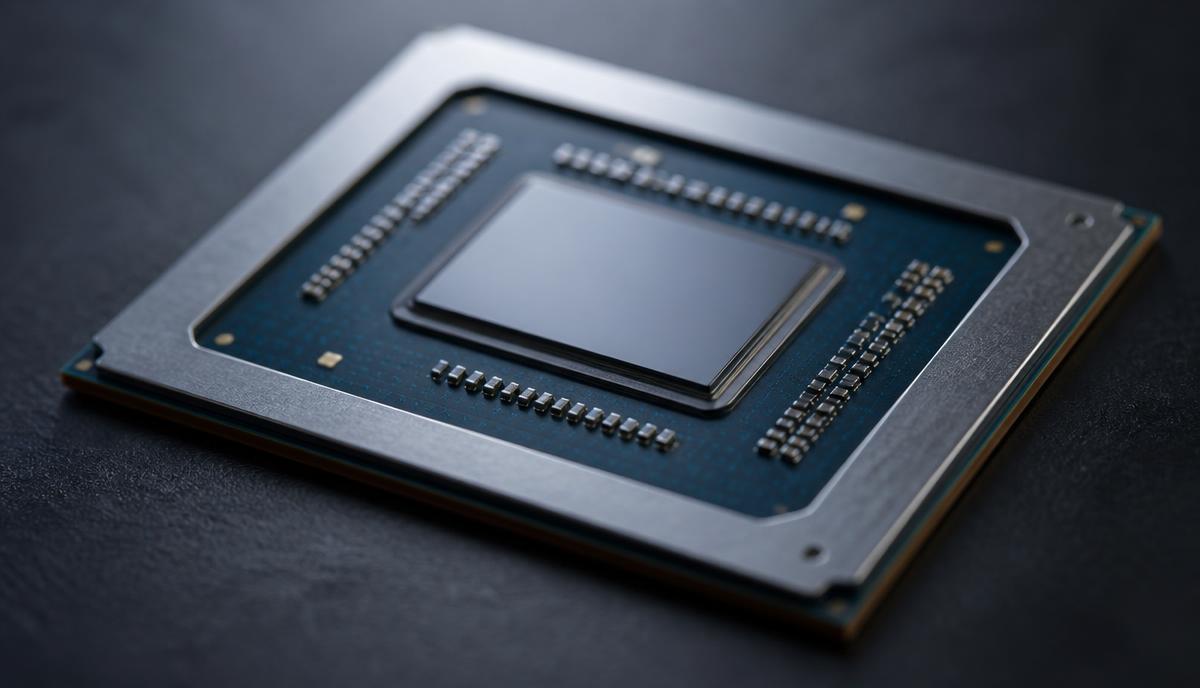
For two decades the laptop processor was judged on a single axis: how fast can it go before it gets too hot. That framing is over. The most consequential change in portable computing is not raw speed but the amount of useful work a chip can do inside a fixed thermal budget.
Why efficiency became the headline number
Thin chassis leave almost no room for airflow. Once a design settles on a 15W sustained envelope, the only way to deliver more performance is to spend fewer joules per instruction. That pushes vendors toward wider cores at lower clocks, aggressive power gating and heterogeneous layouts that keep background work off the performance cores entirely.
Performance per watt is the only number that survives contact with a real chassis.
What changes for buyers
- Sustained benchmark scores matter far more than burst numbers.
- Battery life claims should be read against a measured workload, not a video loop.
- Memory bandwidth is increasingly the bottleneck, especially for on-device AI features.
The measurement problem
Reviewers still lean on short synthetic runs because they are repeatable. The trouble is that a thirty second burst tells you almost nothing about a machine you will use for eight hours. A better approach is a long mixed workload, logged with power draw alongside frame or task completion times.
// simple sustained-load sampler
for (let minute = 0; minute < 30; minute++) {
  const sample = await measure({ workload: "mixed", seconds: 60 });
  log(sample.watts, sample.throughput);
}
Where this goes next
Expect the next generation of portable silicon to be marketed on battery hours and on-device model performance rather than gigahertz. That is a healthier conversation, and a harder one to fake.
Bottom line
If you are buying a laptop this year, ignore peak numbers. Look for measured sustained throughput, real battery testing and honest thermal reporting.
More from ByteScope

The ByteScope Brief
Technology explained, once a week.
One email with the reporting and analysis worth your time. No hype, no daily noise.
No spam. Unsubscribe in one click.